Syria and Pakistan have agreed to deepen political, economic and security cooperation, with Damascus announcing plans to upgrade diplomatic representation to ambassadorial level and revive institutional mechanisms aimed at expanding ties between the two countries.
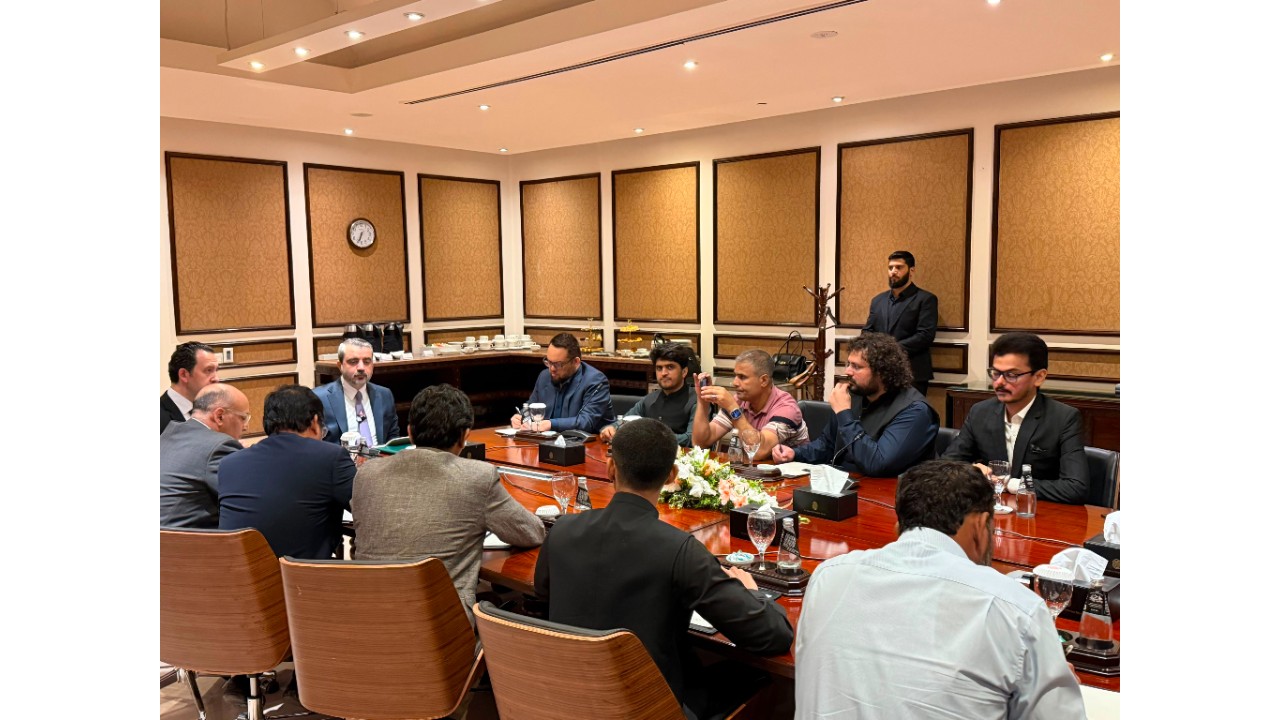
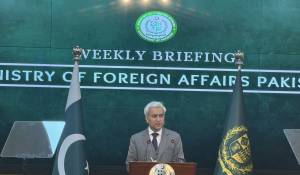
The announcements came during Syrian Foreign Minister Asaad al-Shaibani's visit to Islamabad, where he held meetings with senior Pakistani officials and spoke to journalists about Syria's relations with Pakistan, Israel, Turkey, Iran and Lebanon.
At the centre of the visit was a broader effort by Syria to rebuild its international relationships while facing continued tensions with Israel and the difficult task of rebuilding its war-damaged economy.
Al-Shaibani said Syria and Pakistan had agreed to revive the Joint Ministerial Committee and discussed restoring direct flights between Islamabad and Damascus. The two sides also agreed to work towards establishing a Pakistan-Syria Business Council and holding an investment forum in Damascus.
The Syrian foreign minister described the visit as an opening for a more comprehensive relationship, saying the two governments had found common ground on their concerns and objectives.
For ordinary Syrians, however, the significance of closer ties goes beyond diplomacy. After years of conflict and economic hardship, rebuilding infrastructure, attracting investment and restoring connections with the outside world remain among the country's most pressing challenges. Increased trade, business exchanges and direct air links could provide practical channels for people and companies to reconnect.
Al-Shaibani also said military, economic and trade delegations would be exchanged, suggesting that the relationship is intended to move beyond political statements towards institutional cooperation.
The upgrading of diplomatic representation is another important step. Syria currently maintains diplomatic representation with Pakistan, but al-Shaibani said both sides would raise the level to ambassadors in the coming days. The timing is significant because Syria is simultaneously dealing with renewed tensions with Israel.
Al-Shaibani accused Israel of seeking to prevent Syria from achieving stability and rebuilding after years of conflict. He said Israel had violated the 1974 disengagement agreement by advancing into the buffer zone and criticised Israeli attacks on Syrian territory. The Syrian government, he said, does not want another war with Israel but expects Israel to stop what Damascus describes as aggression against Syria.
"There is an ongoing mediation by the United States to keep the de-escalation between Syria and Israel and to reach a security agreement to stop the aggression of Israel against Syria," said Shaibani. The Israeli factor is increasingly important to Syria's foreign-policy calculations. Damascus is attempting to establish relations with regional and international partners while making clear that it does not want outside powers dictating its alliances.
Turkey is particularly important in this equation. Al-Shaibani described Ankara as a historic partner and ally, citing the two countries' long border and Turkey's support for Syrians during the previous conflict. He rejected Israeli concerns over closer Syrian-Turkish ties, arguing that Syria is a sovereign state and should be free to determine its partnerships according to its national interests.
He also left open the possibility that Syria could eventually consider joining the security arrangement involving Pakistan, Turkey and Saudi Arabia, although he stressed that no decision had been taken. The foreign minister's comments on Iran were more cautious. While saying that diplomacy had no limits, he indicated that Damascus did not currently believe the conditions were right for renewed diplomatic relations with Tehran. Any future opening, he said, would require recognition of what Syria says Iran did to the Syrian people during the previous years of conflict.
Pakistan's potential role as a bridge was also raised. Al-Shaibani welcomed Islamabad's previous mediation efforts between the United States and Iran, but said no proposal had been made during his visit for Pakistan to mediate between Syria and Iran. On Lebanon, Damascus said it supports the Lebanese government's efforts to assert control over its territory and weapons, while calling for an end to Israeli attacks and urging Iran not to interfere in Lebanon's internal affairs.
The Syria-Pakistan relationship therefore comes at a moment when Damascus is trying to balance several priorities: rebuilding its economy, restoring diplomatic links, managing security threats and avoiding further regional escalation.