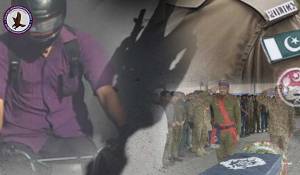
A devastating, multi-layered militant assault
rocked Pakistan’s northwestern Bajaur district on Monday evening, as missiles,
rockets and a vehicle-borne improvised explosive device (VBIED) were unleashed
on a security forces post, killing 11 security personnel and a child, officials
confirmed.
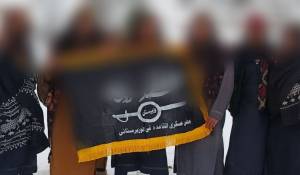
The banned outfit Tehreek-e-Taliban Pakistan
(TTP) later claimed responsibility, describing the strike as a complex
operation involving its newly introduced “Al-Farooq” missiles, followed by a
suicide vehicle bombing and ground assault.
A Multi-Pronged Strike
The attack began around 7:30 p.m. when
militants launched a coordinated barrage targeting security installations in
the Malangi and Mena areas.
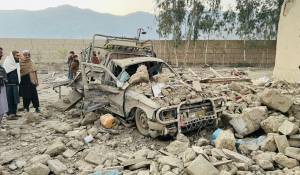
According to early field reports, the initial
wave included rockets and surface-to-surface missiles before a VBIED detonated
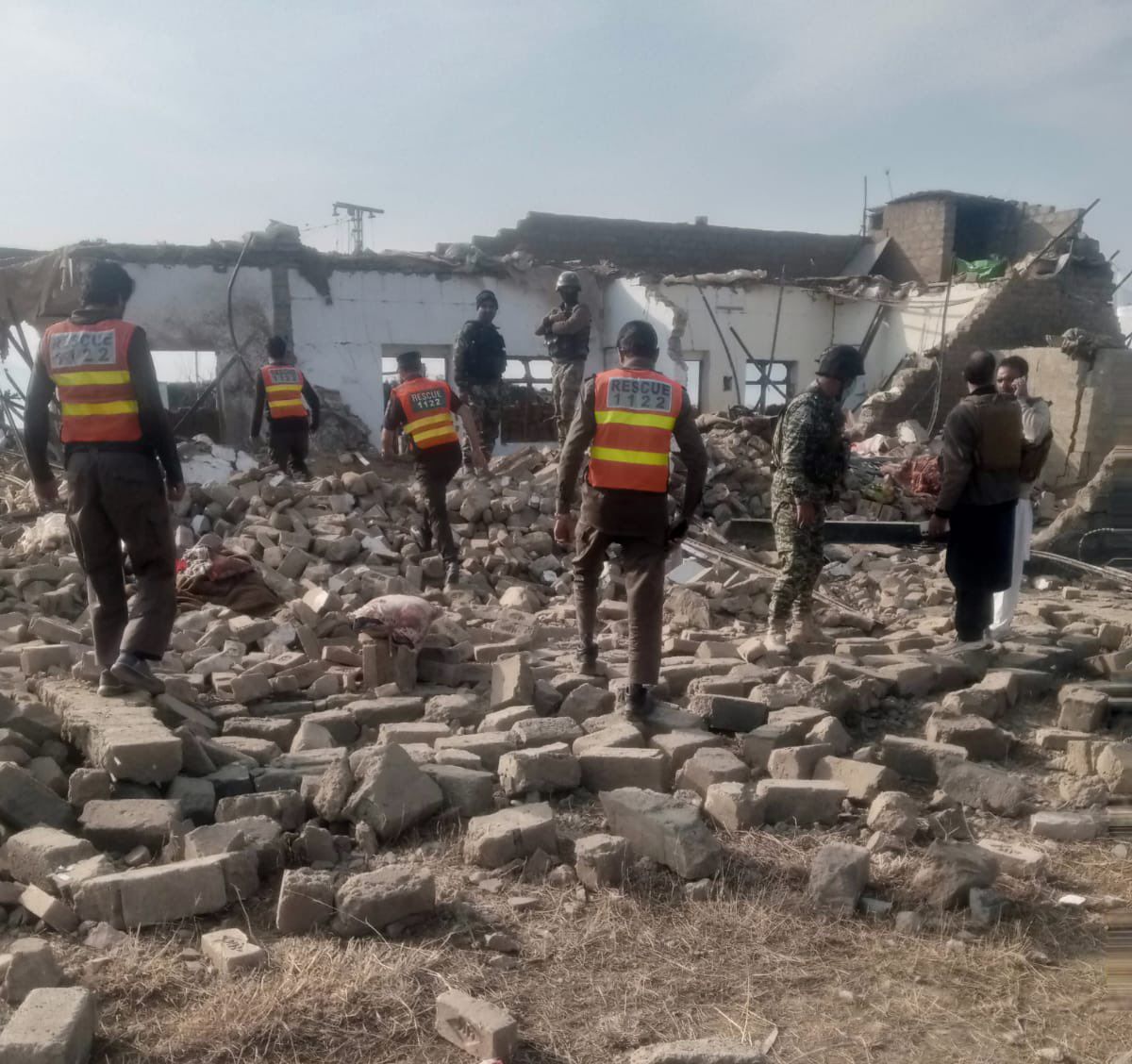
near the Malangi post, flattening sections of the compound and trapping
personnel under debris.

Early information indicated that 13 soldiers
and one police officer were stationed at the Malangi post at the time of the
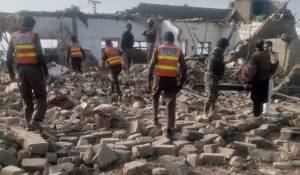
attack. By later, recovery operations confirmed that
11 security personnel, including one police officer, had been killed. Two injured soldiers were evacuated to
military medical facilities and were reported to be in stable condition.

Rescue efforts were hampered by intermittent
gunfire and fears that militants had planted additional explosives along access
routes. Due to this, heavy machinery was deployed to clear rubble as rescuers
searched for survivors.
Civilian Toll and Targeted Rescue
The assault spilled into nearby civilian
areas. Rocket fire struck residential zones, killing one child and injuring
seven civilians, including women and children.
Two civilian vehicles near the post were also
targeted with rocket-propelled grenades, one was hit directly while two rockets
landed nearby.
In a chilling development, militants reportedly fired
at an ambulance transporting casualties. Despite the threat, the vehicle
managed to reach the hospital safely. However, two were injured in the assault.
Residents joined Rescue 1122 teams in combing
through the wreckage, even as sporadic bursts of gunfire echoed through the
area, further complicating recovery efforts.
Expanding the Battlefield
During and after the main assault, militants
reportedly launched additional rockets toward the Mena headquarters and dropped
an aerial bomb that failed to detonate. Surveillance later spotted suspected
militants regrouping near a marble factory in the Umaray area. Security
officials also warned that improvised explosive devices (IEDs) may have been
planted along approach roads.
Aerial surveillance assets were deployed to scan the
region as security forces prepared follow-up counterterrorism operations.
Separately, authorities confirmed to The Khorasan Diary that multiple missiles
were fired late Monday into the jurisdiction of Loe Mamond police station. One
struck the home of Aitbar Zargar, while others landed in Mego, Barah Zagai,
Shahi Tangai and Shakro. One missile fell near the 55 Baloch Mena Headquarters.
No casualties were reported in those incidents.
Emergence of “Al-Farooq” Missiles
The Bajaur assault marks the first operational
use of the TTP’s so-called “Al-Farooq” missiles in a high-casualty attack. The
group claims the missile system was developed in the second half of 2025 by its
“local engineers” and primarily deployed in Bannu district.

Launched via an AF-70 surface-to-surface
mechanism, the missile was first claimed to have been used on January 1, 2026,
in Bannu, though no fatalities were reported in that strike.

Previously, on October 23, 2025, the TTP
released footage in its “Al-Khandaq” video series showing a locally assembled
missile targeting a checkpoint in Bara, Khyber district. The three-minute video
depicted militants launching a projectile fashioned from a modified gas
cylinder mounted on a stand, a stark illustration of the group’s evolving
technical improvisation.
A Tactical Shift
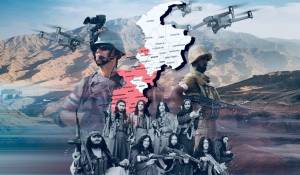
The integration of improvised missile systems
with quadcopter drones represents a significant tactical shift. The conflict,
once largely horizontal and ground-based, is increasingly taking on a vertical
dimension, complicating defensive calculations for security forces.
The ability to strike from a distance using
locally engineered projectiles, combined with suicide bombings and coordinated
ground assaults, signals an adaptation in militant warfare strategy that could
reshape the security landscape in Pakistan’s tribal districts.
Senior military officials arrived in Bajaur on
Monday for briefings and funeral prayers. Authorities confirmed that
investigations are ongoing and that clearance operations are underway to track
down those responsible.
As recovery efforts conclude, Bajaur faces the
grim aftermath of one of the most sophisticated militant assaults in recent
months, a reminder that the insurgency, far from dormant, continues to evolve.